

When choosing a cooktop for your kitchen, there are three main types to consider: gas, electric, and induction. Each offers unique features, advantages, and considerations that can influence your decision. In this article, we’ll explore the differences between these options to help you choose the best one for your cooking needs.
1. Gas Cooktops
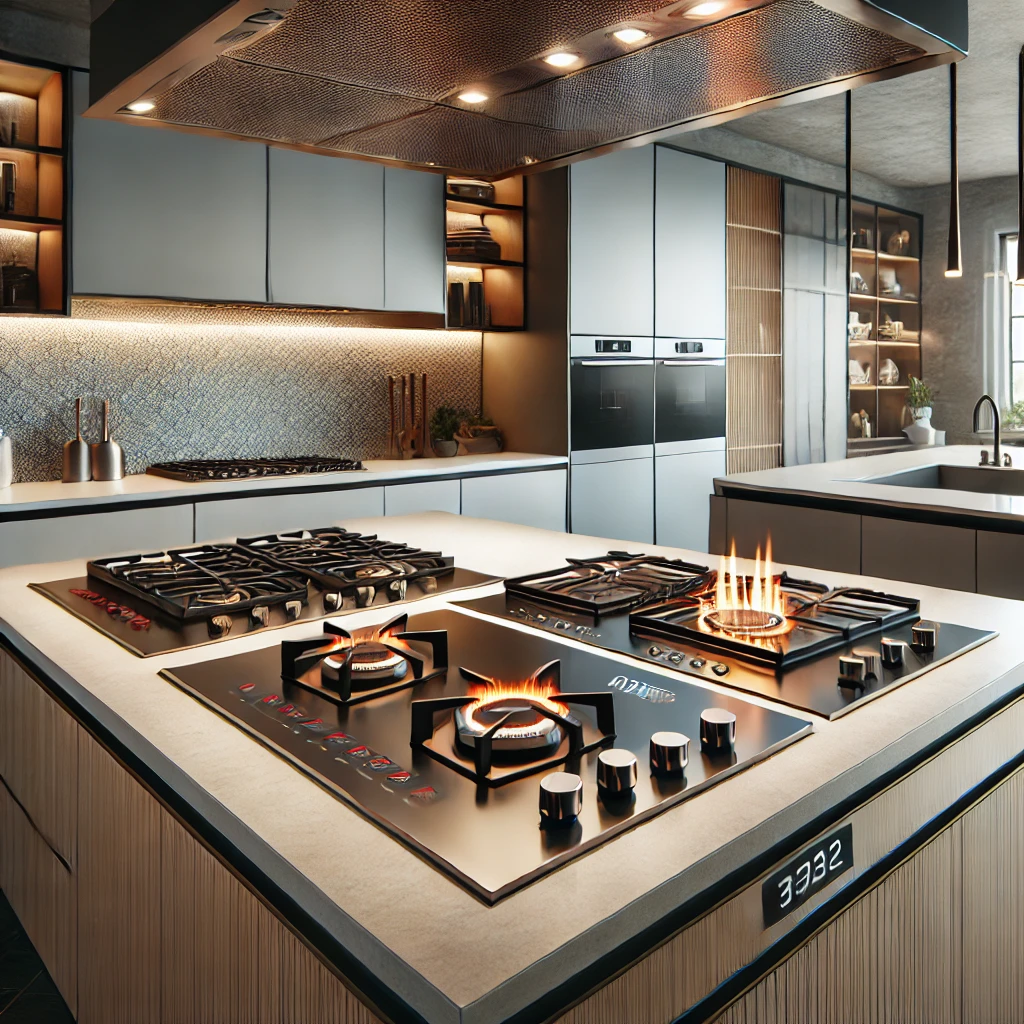
How They Work: Gas cooktops use an open flame powered by natural gas or propane. The flame provides direct heat to your cookware, allowing for quick temperature adjustments.
Advantages:
- Instant Heat Control: Gas cooktops allow precise control over heat levels. Chefs and home cooks appreciate this immediate response when changing temperatures.
- Works with All Cookware: Unlike induction, gas cooktops work with any type of cookware, including non-magnetic materials like aluminum, copper, and ceramic.
- Versatile Cooking Methods: You can perform various cooking techniques like searing, grilling, and flambéing due to the high heat capability of gas burners.
Disadvantages:
- Higher Maintenance: Cleaning a gas cooktop can be challenging, as food and debris may fall into burner grates and components.
- Ventilation Requirements: Since gas releases fumes, proper ventilation is essential to prevent hazardous gases from lingering in your kitchen.
2. Electric Cooktops
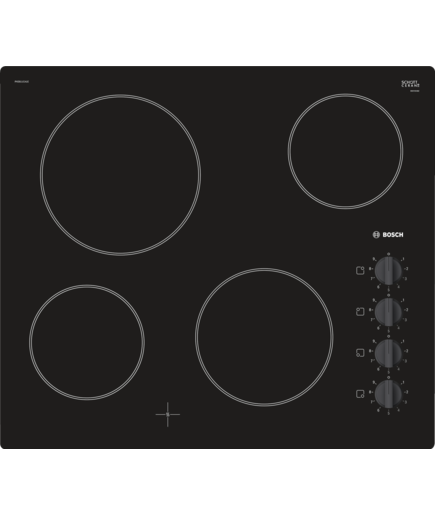
How They Work: Electric cooktops heat using coiled elements or flat ceramic surfaces, transferring heat to the cookware.
Advantages:
- Sleek Design: Electric cooktops with smooth glass-ceramic surfaces offer a modern look that complements contemporary kitchen designs.
- Even Heating: Electric cooktops distribute heat evenly, making them ideal for simmering or slow-cooking dishes.
- Easy Cleaning: The smooth surface of electric cooktops allows for easy wiping after spills and messes.
Disadvantages:
- Slower Heat Adjustment: Electric cooktops take longer to adjust temperatures, as the elements need time to heat up or cool down.
- Inefficient with Certain Cookware: While electric cooktops are generally compatible with most cookware, non-flat pans may not work as well on smooth surfaces.
3. Induction Cooktops
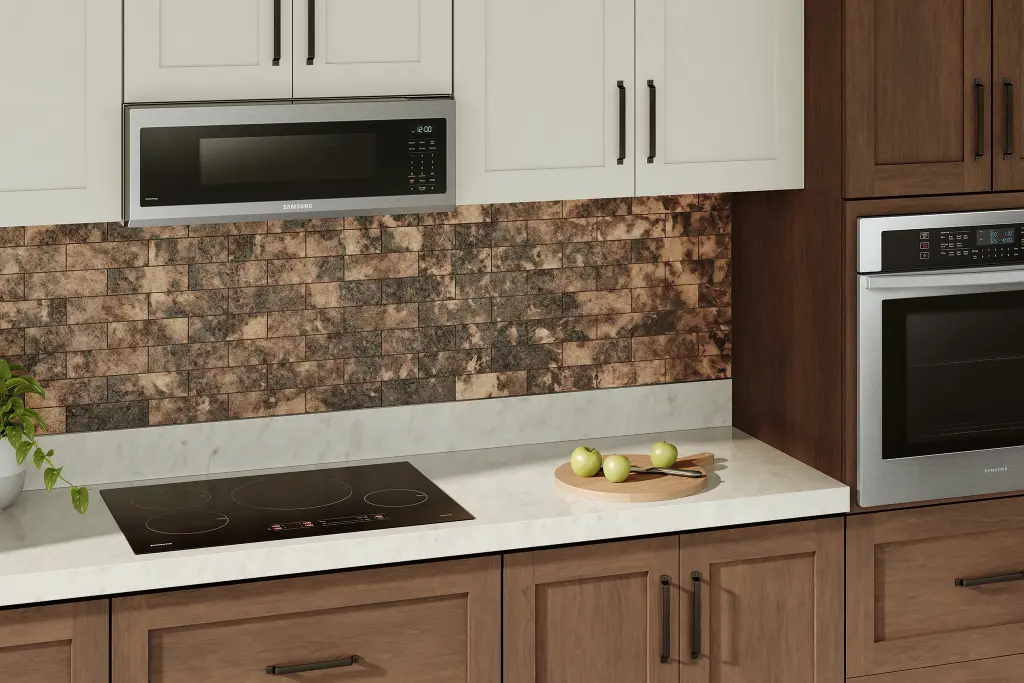
How They Work: Induction cooktops use electromagnetic fields to generate heat directly in the cookware, rather than heating the surface.
Advantages:
- Energy Efficient: Since heat is generated only in the cookware, there’s minimal energy loss, making induction cooktops highly efficient.
- Fast and Precise Cooking: Induction cooktops heat cookware quickly and provide immediate temperature control, similar to gas stoves.
- Safety Features: The cooktop itself stays relatively cool to the touch, reducing the risk of burns or fire.
Disadvantages:
- Cookware Compatibility: Only magnetic cookware (such as cast iron and certain stainless steels) can be used on induction cooktops.
- Higher Upfront Cost: Induction cooktops tend to be more expensive than gas or electric options, and replacing non-compatible cookware can add to the cost.
Conclusion
Choosing between gas, electric, and induction cooktops depends on your personal cooking preferences, kitchen setup, and budget. Gas cooktops are favored by those who enjoy hands-on cooking control, while electric cooktops provide sleek aesthetics and consistent heating. Induction cooktops are ideal for those seeking energy efficiency and fast cooking times.
At Homus Singapore, we offer a wide range of kitchen appliances and fixtures to suit your needs. Visit one of our two showrooms at 116 Lavender Street, #01-03, Pek Chuan Building, Singapore 338730 or 1 Tampines North Dr. 1, #01-18, Singapore 528559. Our team will guide you through the options, ensuring you find the perfect cooktop for your kitchen. Visit us today or explore more online at homussingapore.com.

