

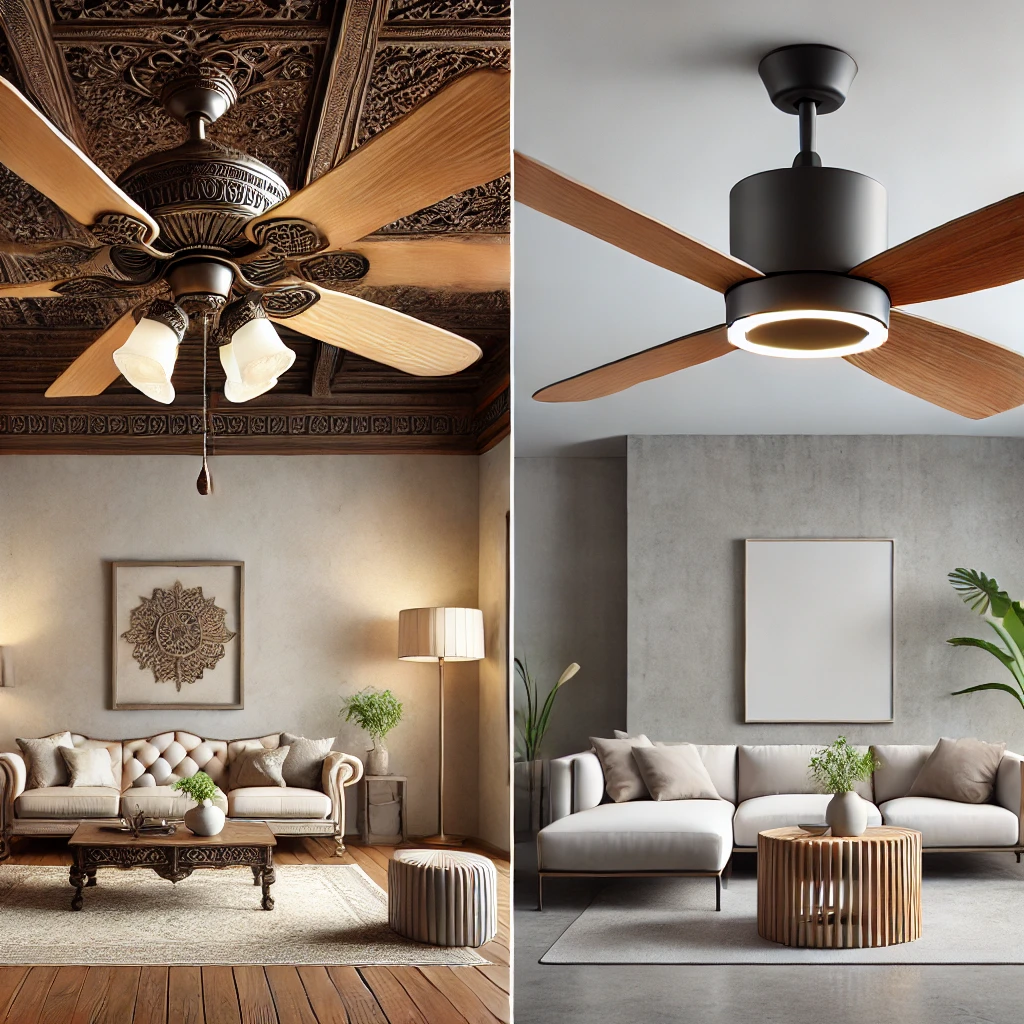
Ceiling fans have evolved significantly over the years, with modern designs offering improved functionality, energy efficiency, and style. If you’re in the market for a new ceiling fan, it’s essential to understand the differences between traditional and modern options. In this article, we’ll compare traditional and modern ceiling fans to help you make an informed choice for your home.

1. Design and Aesthetics
- Traditional Fans: Typically feature classic designs with wooden or metal blades, decorative light kits, and ornamental finishes. They often have a more vintage or rustic appearance, making them a good fit for traditional or country-style interiors.
- Modern Fans: Boast sleek and minimalistic designs, with clean lines and contemporary finishes like brushed nickel, matte black, or chrome. Modern fans often emphasize simplicity and functionality, making them ideal for modern or minimalist homes.

2. Blade Technology
- Traditional Fans: Use standard blade technology, which may produce sufficient airflow but lacks advanced features. The blades are usually wider and heavier, sometimes leading to more noise during operation.
- Modern Fans: Feature advanced blade technology, including aerodynamically designed blades that are more efficient in circulating air. These fans often have lighter materials like ABS plastic or engineered wood, contributing to quieter and more effective performance.

3. Energy Efficiency
- Traditional Fans: While they provide effective cooling, traditional ceiling fans typically use more electricity, especially when equipped with incandescent bulbs. These fans may not have features like energy-saving modes or DC motors.
- Modern Fans: Prioritize energy efficiency with the use of DC motors, which consume significantly less power than traditional AC motors. Modern fans often come with energy-saving LED lighting options, reducing energy consumption further. Many are also compatible with smart home systems, allowing for more control over usage.
4. Control Options
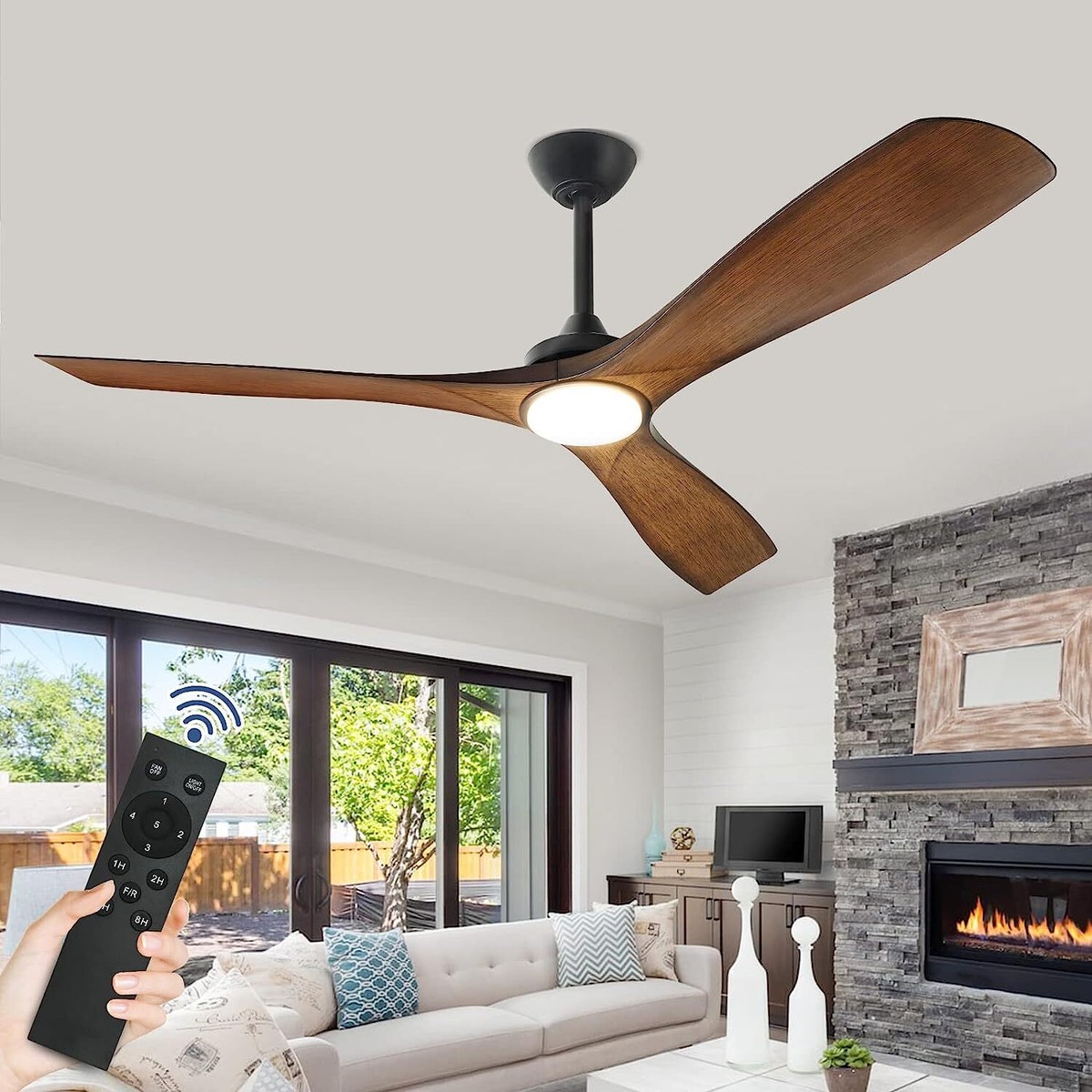
- Traditional Fans: Operate with pull chains or wall switches, limiting the control options. Some older models may come with remote controls, but they often lack advanced settings.
- Modern Fans: Offer a variety of control options, including remote controls, wall-mounted controllers, and smartphone integration. Many modern fans are equipped with smart home compatibility, allowing you to control them via voice commands or mobile apps. You can adjust fan speed, lighting, and even set timers for automatic operation.
5. Additional Features
- Traditional Fans: Tend to offer basic functionality – providing cooling with limited extra features. They might have simple lighting kits but lack any specialized technology.
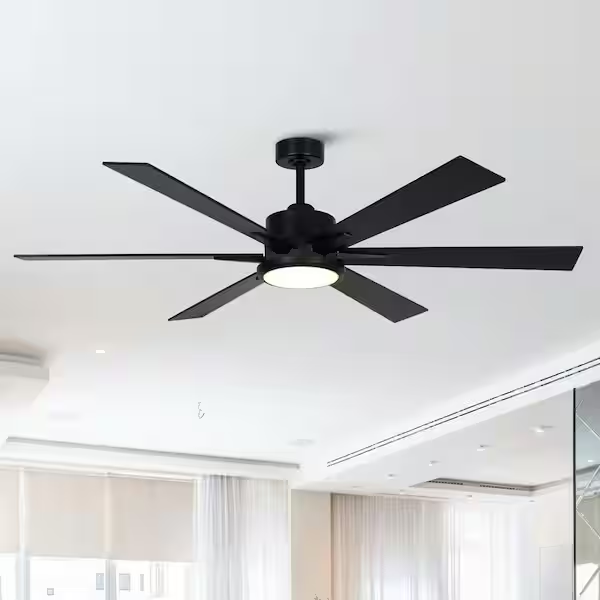
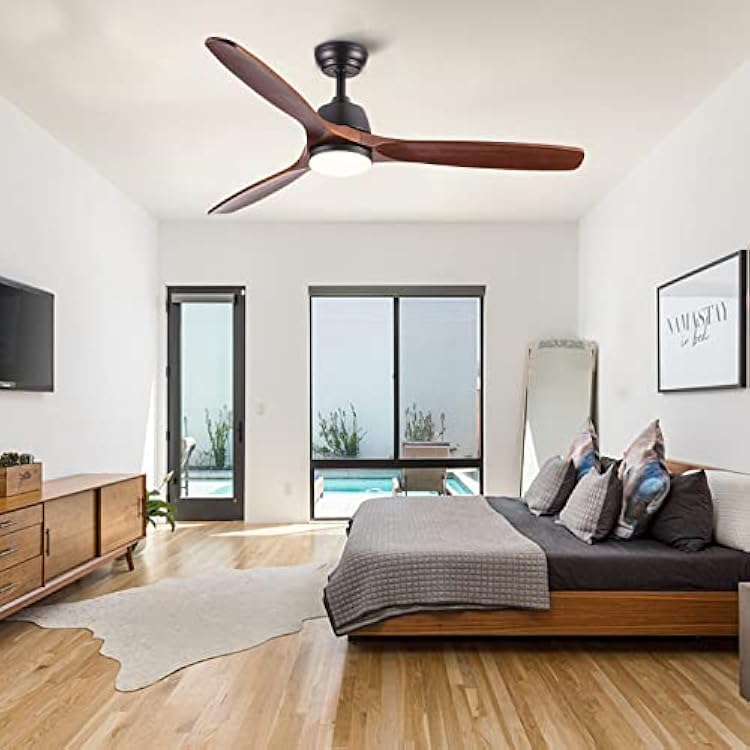
- Modern Fans: Come packed with extra features such as integrated LED lights with adjustable brightness, reversible motors for year-round use, and even thermal sensors that adjust fan speed based on room temperature. Some modern models also offer ultra-quiet operation, making them ideal for bedrooms or living spaces.
Conclusion
When comparing traditional and modern ceiling fans, it’s clear that modern fans offer more benefits in terms of energy efficiency, advanced technology, and sleek design. However, traditional fans can still be an excellent choice for those seeking a classic aesthetic or those who prioritize simplicity. Ultimately, the best fan for your home will depend on your personal preferences and specific needs.
At Homus Singapore, we offer a wide selection of both traditional and modern ceiling fans to suit every style and requirement. Visit our showrooms at 116 Lavender Street, #01-03, Pek Chuan Building, Singapore 338730, or 1 Tampines North Dr. 1, #01-18, Singapore 528559 to explore our collection. Our expert team is here to help you find the perfect fan for your home.

