

A bathroom renovation is one of the most impactful upgrades you can make to your home. Done well, it improves daily comfort, enhances functionality, and adds long-term property value. Done poorly, it can lead to leaks, constant maintenance issues, and unnecessary repair costs.
In Singapore, where bathrooms are exposed to high humidity and compact layouts are common, careful planning is essential. This guide outlines a complete bathroom renovation checklist based on industry best practices and renovation experience in Singapore homes.
1. Defining Clear Renovation Goals
Before any design or demolition begins, it is important to understand what you want from your bathroom renovation.
Common goals include:
- Updating an outdated design
- Improving storage in a compact space
- Fixing plumbing or leakage issues
- Making the bathroom more elderly-friendly
- Increasing property resale value
- Creating a modern, hotel-style aesthetic
Clear goals help guide every decision that follows, from layout planning to material selection.
2. Budget Planning for a Realistic Renovation
A well-planned budget ensures your renovation stays on track without unexpected financial stress.
Typical cost components include:
- Demolition and hacking works
- Waterproofing systems
- Plumbing and pipe adjustments
- Tiling for floors and walls
- Electrical works and lighting
- Sanitary ware (toilet, basin, mixer taps)
- Shower screen and fittings
- Vanity and storage carpentry
- Labour and project management
- 10–15% contingency buffer
Hidden issues such as pipe deterioration or water seepage are common in older bathrooms, so contingency planning is essential.
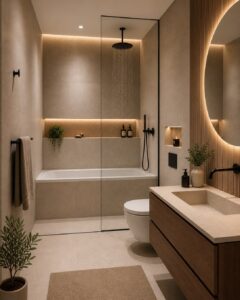
3. Accurate Measurement and Site Assessment
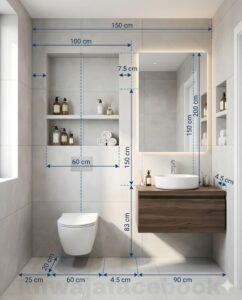
Before selecting fixtures or finalising designs, precise measurements must be taken.
Key areas include:
- Bathroom dimensions
- Ceiling height
- Door swing clearance
- Window placement
- Existing plumbing points
- Floor trap locations
- Electrical outlet positions
Accurate site data ensures that design plans are practical and reduces costly adjustments during construction.
4. Functional Layout Planning
A good bathroom layout balances comfort, usability, and efficiency.
Important considerations include:
- Shower and dry zone separation
- Toilet positioning for privacy
- Vanity placement for daily convenience
- Storage accessibility
- Movement space within compact layouts
- Ventilation flow
Where possible, retaining existing plumbing positions helps reduce cost and shorten renovation timelines.
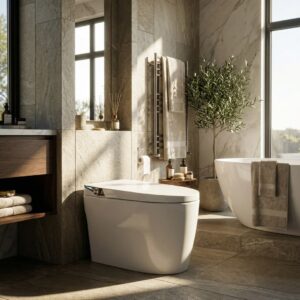
5. Material Selection for Long-Term Durability
Bathrooms require materials that can withstand constant exposure to moisture.
Recommended options include:
Flooring:
- Anti-slip porcelain tiles
- Homogeneous tiles
Wall Finishes:
- Porcelain or ceramic tiles
- Large-format tiles for fewer grout lines
Countertops:
- Quartz
- Sintered stone
- Solid surface
Cabinetry:
- Marine plywood
- PVC systems for moisture resistance
Choosing durable materials reduces long-term maintenance and prevents early wear.
6. Choosing Reliable Bathroom Fixtures
Fixtures are used daily, making durability and water efficiency key considerations.
Common selections include:
- Water-efficient toilet bowls
- Basin mixers and taps
- Rain showers and hand showers
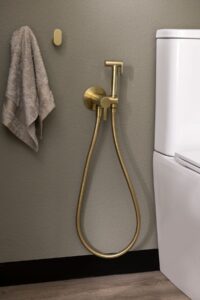
- Bidet sprays
- Tempered glass shower screens
- Floor traps and drainage systems
- Storage mirrors and cabinets
High-quality fixtures improve user experience while reducing water consumption and maintenance issues.
7. Waterproofing: The Most Critical Stage
Waterproofing is one of the most important steps in any bathroom renovation.
Without proper waterproofing, issues may include:
- Water leakage to lower floors
- Mould and mildew growth
- Damp walls and ceilings
- Structural damage over time
- Costly repairs
A proper waterproofing system must be tested before tiling begins to ensure long-term protection.
8. Ventilation Planning
Bathrooms in Singapore are highly prone to humidity buildup.
Effective ventilation solutions include:
- Exhaust fans
- Natural airflow where possible
- Moisture-resistant ceiling materials
Good ventilation helps reduce mould growth and keeps the bathroom fresh and hygienic.
9. Lighting Design for Function and Comfort
Lighting should support both daily use and ambience.
A well-designed bathroom lighting plan includes:
- Ceiling ambient lighting
- Mirror lighting for grooming tasks
- Shower zone lighting
- Warm or neutral LED options
Layered lighting improves visibility while enhancing the overall aesthetic.
10. Smart Storage Solutions
In compact Singapore bathrooms, storage must be planned efficiently.
Popular solutions include:
- Floating vanity cabinets
- Recessed wall niches
- Mirror cabinets
- Tall vertical storage units
- Corner shelving
Well-designed storage keeps the space organised without making it feel cramped.
11. Low-Maintenance Finishes
Bathrooms should be easy to clean and maintain over time.
Recommended finishes:
- Large-format tiles
- Matte or anti-stain surfaces
- High-quality grout and silicone
- Durable sanitary fittings
These materials help reduce cleaning time and maintain a fresh appearance longer.
12. Safety Features for Everyday Use
Safety should be considered during the design stage, especially for families.
Key safety features include:
- Anti-slip flooring
- Grab bars
- Tempered glass shower screens
- Rounded countertop edges
- Thermostatic mixers for temperature control
These features help reduce accidents and improve usability for all age groups.
13. Compliance with Local Renovation Requirements
Bathroom renovations in Singapore must comply with building and management regulations.
Key considerations:
- Approved renovation hours
- Noise restrictions
- Waterproofing compliance standards
- Plumbing guidelines
- Waste disposal rules
- HDB or condo approval requirements
Proper compliance ensures a smooth renovation process without delays.
14. Renovation Timeline Overview
A typical bathroom renovation follows a structured sequence:
- Site inspection
- Design planning
- Quotation approval
- Material selection
- Demolition
- Plumbing works
- Waterproofing
- Tiling
- Electrical installation
- Fixture installation
- Final cleaning
- Handover
A clear timeline helps homeowners understand progress and manage expectations.
15. Final Inspection Checklist
Before project completion, every detail should be carefully inspected:
- Tile alignment and finish
- Grout consistency
- Silicone sealing quality
- Water drainage flow
- Leak testing
- Lighting functionality
- Cabinet alignment
- Fixture installation stability
This ensures the bathroom meets quality and safety standards before handover.
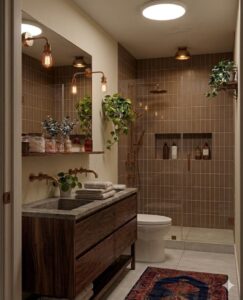
Why Homeowners Choose Homus Singapore
The fixtures are the part you live with every day. Homus Singapore carries over 40 brands of toilet bowls, basins, vanity cabinets, taps, shower sets and kitchen appliances, at direct owner prices with no middleman commission.
Six years in, two showrooms, over a thousand 5-star reviews. Our team matches sizes, finishes and specs to your layout and your budget, so what arrives on site fits the bathroom you actually have.
Final Thought
Photographs settle very little. Tap finishes and the real footprint of a vanity cabinet are things you want to see in person before you commit.
Planning a bathroom renovation? Visit our showroom. We are at 116 Lavender Street, #01-03, Pek Chuan Building, Singapore 338730, and at 1 Tampines North Drive 1, T-Space, #01-18, Singapore 528559, every day from 11am to 8pm. Compare us before you decide.

